El Patio Cultural
Our Story
From Stable to Sanctuary
The remarkable journey of El Roua El Kebir — from 18th-century horse stable to contemporary cultural heart.
Every great cultural space carries a story within its walls. The story of El Patio Cultural begins not in 2022, but centuries ago — in the bustling medina of Tetouan, where Andalusian refugees, Berber merchants, and Sephardic families created one of the most extraordinary cultural crossroads in North Africa.
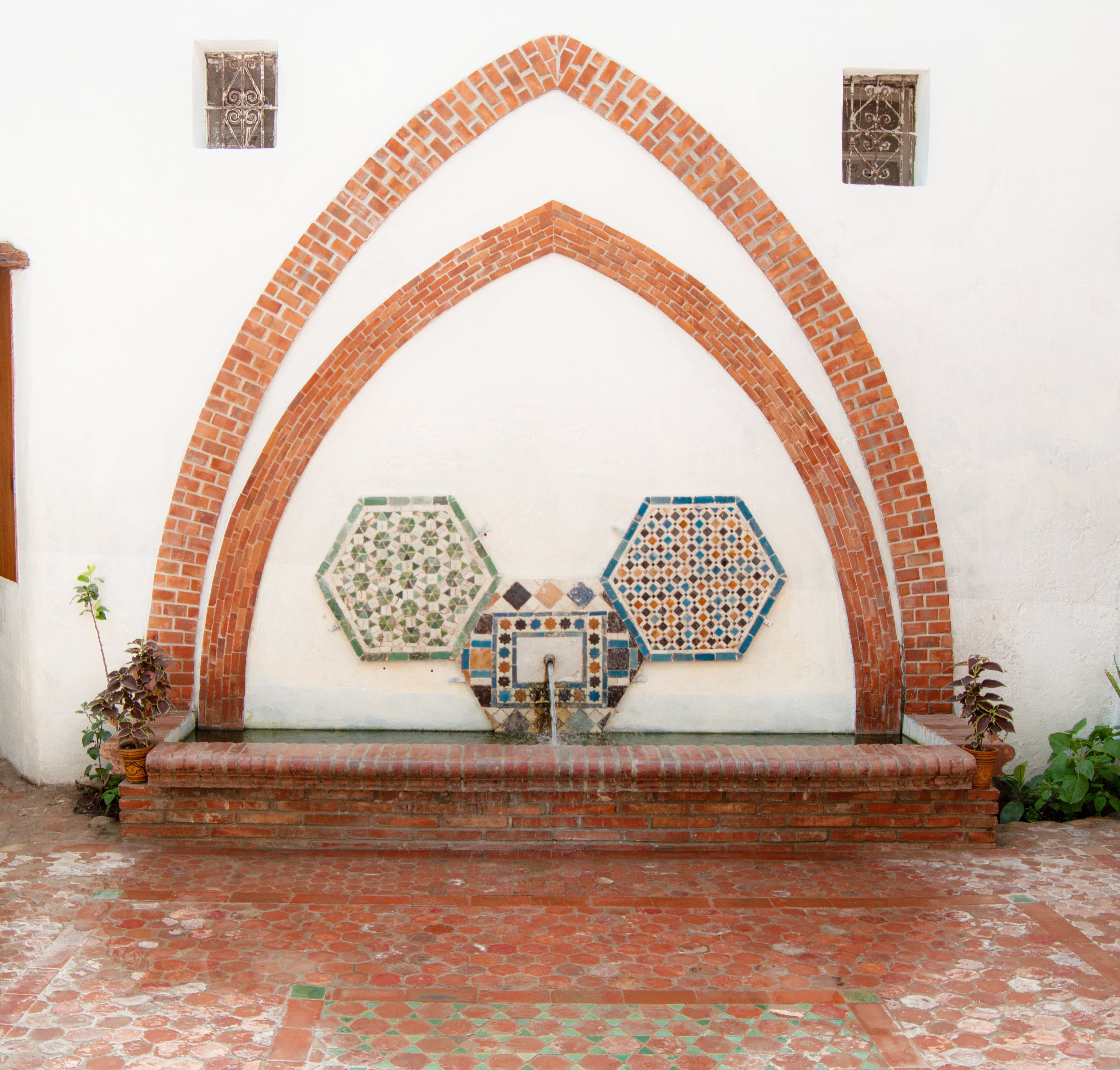
“Water flowing from the mountains inspired the patio fountain — and references Tetouan's very name, which means 'the springs.' The fountain is both a practical element and a symbolic one: life, renewal, and the continuity of culture.”
Through the Centuries
A Timeline of Transformation
18th Century
El Roua El Kebir — The Great Stable
Built as a grand horse stable in the medina of Tetouan, El Roua El Kebir served as a vital part of the city's infrastructure. Its Moorish arches, central courtyard, and robust stone walls reflected the architectural mastery of the era.
19th Century
A Witness to History
Through the centuries, the building witnessed the ebb and flow of empires, trade routes, and cultural exchange between Andalusia, the Rif mountains, and the broader Mediterranean world.
1980s
Abandonment
As the medina evolved, El Roua El Kebir fell into disuse. For nearly forty years, its arches crumbled, its courtyard filled with debris, and its potential remained dormant beneath layers of neglect.
2020
A Vision Takes Shape
A team of cultural practitioners, architects, and community leaders saw beyond the decay. They envisioned El Roua El Kebir as a place where heritage and creativity could intersect — a living cultural courtyard for the people of Tetouan.
2022
Restoration & Rebirth
Using eco-friendly materials and traditional building techniques, the space was meticulously restored. Every Moorish arch was repaired, hand-carved plaster was revived, and a new fountain was installed at the heart of the courtyard — inspired by the mountain springs that gave Tetouan its name, 'the springs.'
Today
El Patio Cultural
Today, El Patio Cultural stands as a hybrid cultural hub: art gallery, artisan workshop, concept store, event space, and culinary destination. It is a living proof that heritage preservation and creative innovation can thrive together.
Symbolism
The Fountain at the Heart
At the center of El Patio stands a fountain — a deliberate echo of the natural springs that have defined Tetouan for millennia. In Amazigh, Tetouan's name literally means 'the springs,' and water has always been central to the city's identity.
The fountain is both functional and symbolic. It cools the courtyard air, creates an ambient soundscape, and represents the continuous flow of culture — from the past into the future, from artisan to visitor, from tradition to innovation.
Become Part of the Story
Visit El Patio Cultural and add your own chapter to this ongoing narrative.
Plan Your Visit